

Introduction
In a world of rapid consumption, true value is found in the pieces that endure. Cashmere—long considered the quiet cornerstone of a refined winter wardrobe—is one of those rare materials where softness meets substance. Yet behind its comforting warmth lies a thoughtful balance of nature, craftsmanship, and responsibility.
Understanding cashmere quality is less about trends, and more about choosing well—selecting fibers that retain their beauty, supporting makers who honor their craft, and investing in sweaters designed to be worn for years, not seasons.
This cashmere buying guide invites a closer look at what truly matters: from the origins of the fiber to the integrity of the supply chain, and the careful construction behind the best cashmere sweaters for women. With informed decisions, even a single knit can become a long-lasting part of your story.
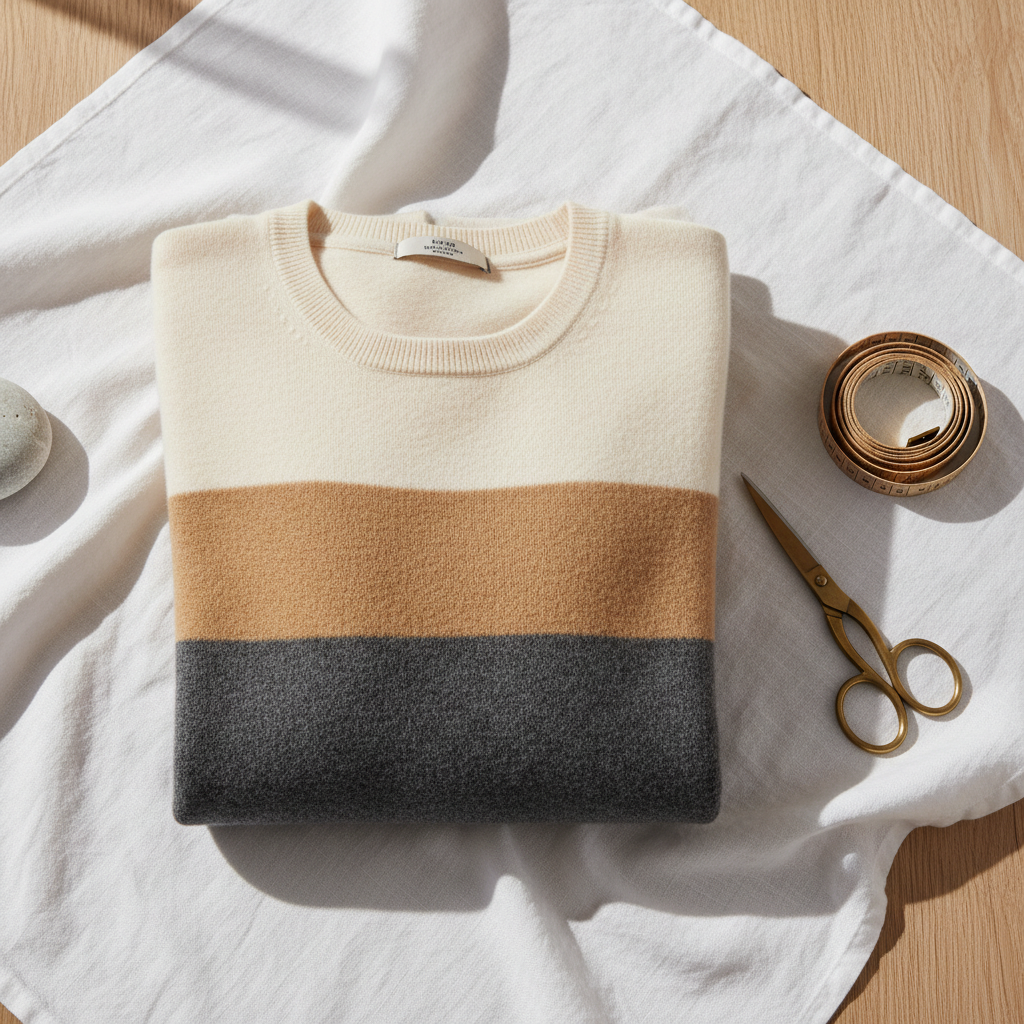
The Journey Begins: Understanding Authentic Cashmere Quality
The story of exceptional cashmere quality begins far from boutiques—on high-altitude plateaus where goats naturally grow ultra-fine undercoats to survive brutal winters. As noted by The Textile Institute, this is where the finest cashmere fibers are collected: long for durability, and soft for comfort that lasts.
Not all cashmere meets this standard. Shorter, coarser fibers tend to pill and lose shape quickly. Choosing well means looking for purity of fiber, responsible sourcing, and craftsmanship that respects both nature and longevity.
A sweater made with intention should feel beautiful today—and remain so for many winters to come.
What Separates Premium from Average
Cashmere quality depends on three measurable characteristics that industry experts use to grade fibers:
| Quality Factor | Premium Grade | Standard Grade | Impact on Garment |
|---|---|---|---|
| Fiber Diameter | 14-15.5 microns | 16-19 microns | Softness and pilling resistance |
| Fiber Length | 34-36mm | 28-32mm | Durability and structural integrity |
| Crimp Quality | High elasticity | Lower elasticity | Shape retention over time |
Expert Insight: According to research published by Smithsonian Magazine, the finest cashmere fibers are six times finer than human hair, creating the distinctive cloud-like softness that defines luxury knitwear.
The geographic origin plays a defining role in cashmere quality. According to National Geographic , goats living at higher elevations—where temperatures swing dramatically—develop longer, finer fibers as a natural form of insulation.
This is why cashmere sourced from pristine highland regions is so highly valued: the environment itself shapes a superior material. When we choose well-origin fibers, we honor the landscapes that make true luxury possible.
The Ethical Dimension of Quality
Modern consumers increasingly recognize that true cashmere quality includes care for the animals that make it possible. Free-grazing goats living on open pastures produce healthier, more resilient fibers—an outcome of a life aligned with nature. Organizations such as The Sustainable Fiber Alliance now certify sourcing standards that support animal welfare and responsible land use.
Equally important is how the fiber is gathered and processed. Chemical-free treatments help preserve the softness and strength of the fibers while reducing environmental impact. Traditional hand-combing—though more time-intensive—protects the undercoat and ensures comfort for the animals.
When these thoughtful practices come together, the result is clear: better treatment leads to better cashmere—gentle to wear, and gentle to the world that creates it.
Tracing the Thread: Supply Chain Transparency
Understanding the cashmere supply chain—from plateau to closet—reveals where quality is either protected or lost. McKinsey & Company research has shown that fashion’s globalized sourcing often hides how materials are treated along the way, making transparency more essential than ever.
The Five Stages That Shape Cashmere Quality
1. Fiber Collection
-
Hand-combing during spring molting
-
Sorting and grading at the source
2. Processing & Spinning
-
Gentle de-hairing to preserve softness
-
Spinning techniques that reduce pilling
3. Dyeing or Natural Preservation
-
Undyed tones for the purest fiber expression
-
Low-impact dye processes when needed
4. Knitting & Construction
-
Proper gauge for warmth and drape
-
Seam linking for lasting structure
5. Finishing & Distribution
-
Minimal finishing to maintain integrity
-
Responsible, low-waste packaging and logistics
A transparent supply chain documents every step—fiber origin, processing methods, craftsmanship, and environmental impact—allowing consumers to make decisions with clarity and intention.
The Environmental Footprint
According to The Ellen MacArthur Foundation, the fashion industry is responsible for roughly 10% of global carbon emissions—underscoring the need to examine how garments are made, not just how they feel. When brands prioritize renewable energy, thoughtful water usage, and circular design principles, the environmental footprint of production can be reduced by up to 60%.
Choosing better isn’t only about comfort today—it’s about respecting the future these materials will live in.
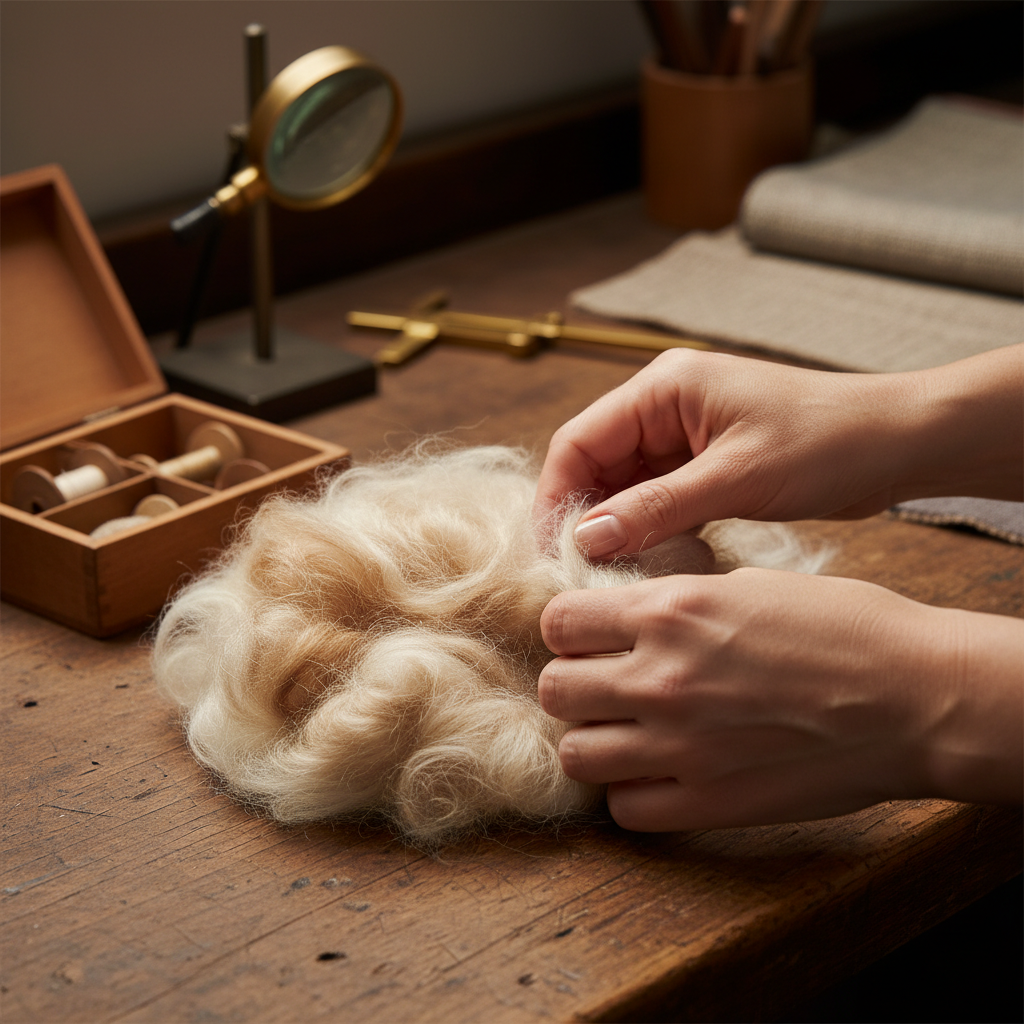
The distance between production stages also matters. A more consolidated supply chain—where processing, knitting, and finishing take place closer together—helps reduce transportation emissions while preserving oversight of quality.
Transparency is key. Brands that issue annual sustainability reports with independently verified data demonstrate accountability that extends beyond marketing language, giving consumers confidence in both performance and principles.
Choosing Your Perfect Piece: The Best Cashmere Sweaters for Women
Selecting the best cashmere sweaters for women is a balance of personal style and thoughtful design. Vogue Business notes that a well-made cashmere sweater—properly cared for—can last 10–30 years, making it one of the most enduring essentials in a modern wardrobe.
Silhouettes That Stand the Test of Time
Quietly refined forms ensure lasting versatility:
-
Crewneck — A minimal foundation for everyday wear
-
V-neck — Subtle line that layers with ease
-
Turtleneck — Warmth with an elegant winter proportion
-
Cardigan — Transitional comfort with gentle structure
Design Details That Protect Longevity
Small choices make a visible difference:
-
Set-in sleeves for clean structure
-
Rib trims at cuffs and hem to retain shape
-
Reinforced stress points to reduce wear
-
Appropriate ply for climate—2-ply for mild winters, 4-ply for colder regions
Fit That Honors the Fiber
Harper's Bazaar emphasizes that proper fit extends garment life:
overly tight knits strain; oversized silhouettes may sag.
The ideal piece:
-
Moves comfortably at the shoulders
-
Skims the body without clinging
-
Sits at or just below the hip
-
Allows a light layer beneath
When the right silhouette, craftsmanship, and fit align, a cashmere sweater evolves from seasonal purchase to a quietly confident companion—winter after winter.
Your Essential Cashmere Buying Guide
This cashmere buying guide focuses on quiet, confident evaluation—allowing every purchase to reflect both purpose and values.
The Touch Matters
Hands often reveal what labels do not.
-
A soft, cloud-like feel without a slick finish
-
Resilience when gently compressed
-
Balanced weight with a smooth, even surface
-
Clean, discreet seams that support structure
If a sweater feels scratchy, the fibers are likely coarser than 16 microns—an early sign of lower cashmere quality.
Reading Labels with Clarity
Transparency starts with accurate information.
-
100% Cashmere — no additional fibers
-
Cashmere Blend — comfort and quality depend on proportion
-
Ply — 2-ply for lighter wear, 4-ply for warmth
-
Grades — marketing terms that vary by brand
Choosing well is less about following rules and more about noticing details—how the piece feels, how it is made, and how it will live in your wardrobe over time.

Price Reality Check
Understanding price structures helps identify genuine value versus inflated costs. Business of Fashion analysis shows typical cost breakdowns:
| Price Point | Likely Quality | What You're Paying For |
|---|---|---|
| Under $100 | Blend or lower grade | Mass production, minimal supply chain oversight |
| $150-$300 | Good quality, possible compromises | Decent fibers, standard manufacturing |
| $300-$600 | Premium quality | Excellent fibers, ethical production, brand reputation |
| Above $600 | Luxury tier | Finest fibers, complete transparency, heritage craftsmanship |
Sustainability: The New Luxury Standard
Sustainable, By Design
Modern luxury is increasingly defined by supply chain transparency and environmental responsibility. The Fashion Transparency Index shows that only a limited number of brands share meaningful details about how their products are made—yet this visibility is essential when evaluating cashmere quality.
What Responsible Practices Look Like
Thoughtful brands prioritize:
-
Undyed natural colors to avoid chemical runoff
-
Renewable energy in manufacturing
-
Water recycling that drastically reduces usage
-
Biodegradable packaging that minimizes waste
-
Carbon-aware logistics
-
Circular repair and take-back programs
When sourcing honors the land as much as the material, the impact is felt on both skin and soil.
Caring for What You Choose
The best cashmere sweaters for women are built to last—and care choices help preserve that longevity.
Everyday maintenance
-
Refresh between wears; wash only when needed
-
Hand wash with gentle detergent; reshape while flat
-
Store folded in breathable cotton with natural cedar
Pilling awareness
-
Initial pilling is natural; remove gently in one direction
-
Avoid razors or adhesive rollers that damage fibers
Repair is respect
-
Invisible mending and reinforcement extend wear
-
Worthwhile for pieces designed to live many winters
Sustainability continues long after purchase—through routines that protect the craftsmanship invested in each garment.
A Wardrobe That Endures
Exceptional cashmere is not a seasonal decision—it’s an investment in fewer, better pieces. Throughout this cashmere buying guide, one truth is constant:
Quality honors everyone involved—nature, makers, and the wearer.
Key principles for thoughtful ownership:
-
Let fiber quality and ethics guide decisions
-
Choose designs that outlast trends
-
Expect transparency from brands
-
Care intentionally to extend product life
Luxury becomes meaningful when it embraces time—when a sweater bought today remains cherished years later.
FAQ
Q: How do I confirm authentic cashmere?
Look for natural softness with a dry, substantial handfeel—not slippery coatings. Check for certification of fiber content and buy from brands that guarantee authenticity.
Q: What makes a supply chain sustainable?
Responsible energy and water use, animal welfare standards, and verified reporting. Transparent brands share where and how their fibers are produced.
Q: How should I choose ply?
Match ply to purpose: 2-ply for refined layering, 4-ply for warmth. Higher ply isn’t always better—fiber fineness matters more for softness and longevity.
Q: How long can quality cashmere last?
With mindful care, 10–30 years or more. Reinforced construction, regular rotation, and proper storage maintain shape and softness.


